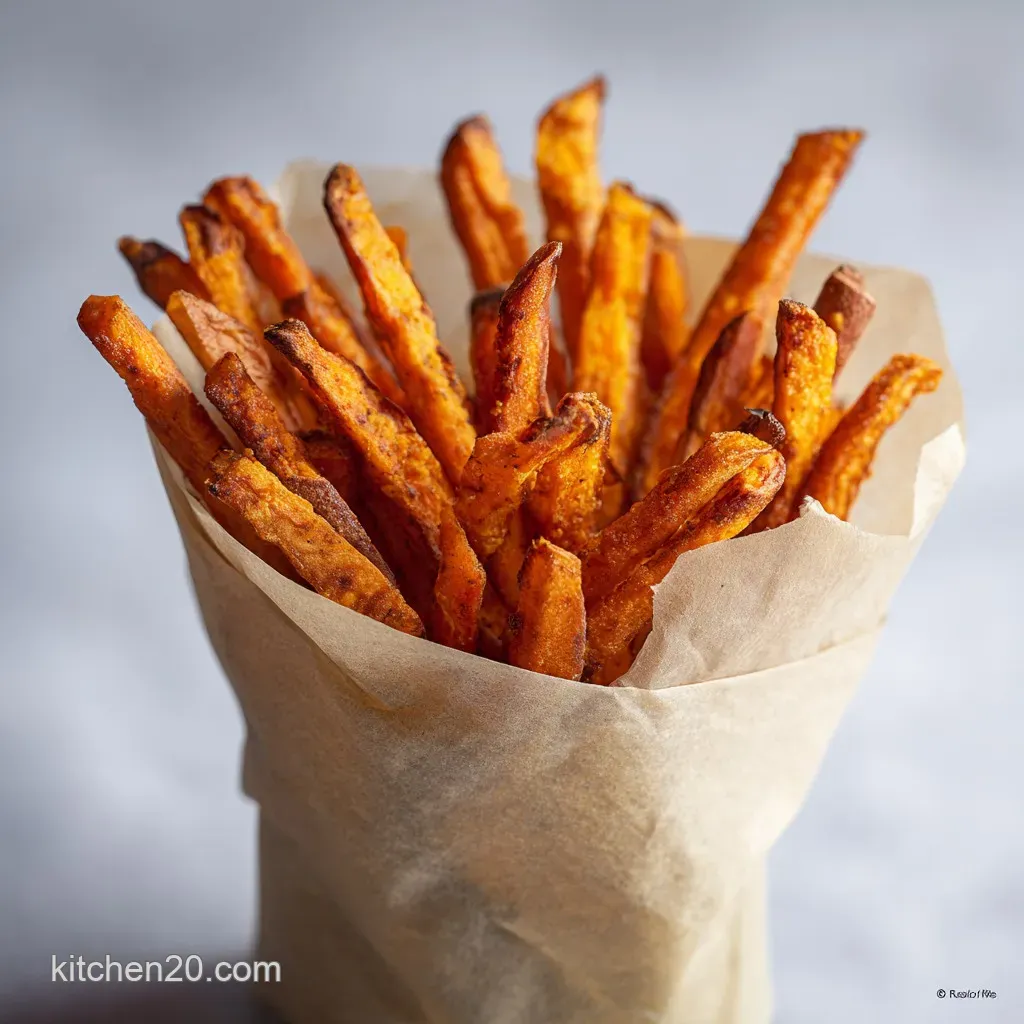
For many, the mention of sweet potato fries conjures images of a perfect bar-food dream: sweet, salty, and boasting that elusive shattering crispness. Yet, the reality in home kitchens, and even in some restaurants, often falls short. Instead of golden perfection, we're frequently met with a disappointing array of soft, soggy, or strangely leathery sticks – a far cry from their satisfying russet cousins. The quest for truly crispy baked sweet potato fries, those that could rival a deep-fried version without the mess, has long been a culinary challenge. But what if we told you there's a secret, a breakthrough technique that guarantees restaurant-level crunch right from your oven?
It's time to banish the bland, soggy versions to the past. We're diving deep into the science and technique behind making seriously crispy baked sweet potato fries that are not only easy and weeknight-friendly but also packed with flavor and texture. Get ready to elevate your side dish game forever.
The Sweet Potato Conundrum: Why Crispness is So Elusive
Before we unlock the secret, it’s crucial to understand why sweet potatoes pose such a unique challenge compared to their starchy counterparts, like the russet potato. The very characteristics that make sweet potatoes delicious – their natural sweetness and vibrant color – are also their crispy downfall. Here's why:
- Less Starch, More Sugar: Unlike russets, sweet potatoes have significantly less starch and more natural sugars. Starch is key to forming a rigid, crispy crust, while sugars tend to caramelize quickly, often before the interior is properly cooked, leading to a limp and sometimes burnt exterior.
- Higher Water Content: Sweet potatoes contain more moisture. This excess water has to evaporate before any significant browning and crisping can occur. In an oven, this often results in the fries essentially steaming in their own juices before they can crisp up, turning them soft and pliable.
- Quick Cooking Interiors: By the time the exterior of a sweet potato fry might begin to crisp, its interior is often already overcooked, mushy, or limp. This delicate balance makes achieving that perfect crisp-tender texture incredibly difficult.
Traditional methods, such as simply tossing sweet potatoes in oil and baking, frequently fail because they don't address these fundamental differences. The goal, then, is to develop a robust, crispy crust quickly and evenly, without overcooking the delicate interior.
Unlocking the Crispy Secret: A Game-Changing Batter
Many home cooks, and even professional chefs, have experimented with various techniques to achieve crispy baked sweet potato fries. Common attempts include tossing them in dry cornstarch, using different oils, or varying oven temperatures. However, these often lead to uneven browning, a dusty or tough exterior, or even a slightly bitter taste. The true breakthrough lies in a multi-pronged approach, specifically engineered to combat the sweet potato's inherent challenges.
The Power of a Pregelatinized Cornstarch Slurry
The single most transformative technique for achieving an impossibly crisp exterior comes from an unexpected place: a cooked cornstarch slurry. Instead of simply dusting dry cornstarch onto the fries (which can create a chalky or uneven coating), this method pre-cooks the cornstarch with water until it forms a smooth, cohesive, yogurt-like paste. Here's why it's a game-changer:
- Even Adhesion: This pregelatinized starch forms a thin, uniform batter that clings perfectly to every surface of the sweet potato. Unlike dry starch which can clump, this slurry ensures consistent coverage, leading to even crisping across all fries.
- Superior Crispness: When baked, this thin batter creates an incredibly strong, glass-like crust that shatters beautifully. It prevents the internal moisture from turning the fries soggy, allowing the exterior to crisp intensely.
- No Chalkiness or Bitterness: Because the starch is already hydrated and cooked, it doesn't leave a dry, dusty mouthfeel or a strange aftertaste often associated with unmixed dry starches.
This method essentially creates a protective, crisping shell around each fry, trapping the sweet potato's moisture inside while allowing the exterior to brown and become wonderfully crunchy.
Enhanced Texture with Rice Flour
To take the crispness factor even further, the addition of white rice flour into the batter proves invaluable. Rice flour is known for its ability to create exceptionally crisp textures in fried and baked goods, absorbing moisture and adding a delicate, almost airy crunch. Its fine texture integrates seamlessly into the cornstarch slurry, contributing an extra layer of structural integrity to the developing crust.
The pH Factor: Baking Soda for Deeper Color and Flavor
Remember how sweet potatoes cook quickly, often before they achieve a deep, appetizing color? This is where a pinch of baking soda enters the picture. Adding a small amount of baking soda to the batter slightly raises its pH. This subtle alkalinity significantly accelerates the Maillard reaction – the chemical process responsible for browning and the development of rich, complex flavors. What this means for your fries is:
- Faster Browning: The fries will achieve a gorgeous, deep golden-brown color in less time, preventing the interiors from becoming overcooked and mushy.
- Subtle Roasted Flavor: The enhanced Maillard reaction also contributes a more profound, roasted flavor profile, elevating the overall taste of your baked sweet potato fries beyond simple sweetness.
Together, the pregelatinized cornstarch, rice flour, and baking soda form a formidable trio, tackling the sweet potato's inherent challenges head-on and paving the way for unparalleled crispness.
Mastering the Bake: From Prep to Perfect Plate
The batter is critical, but successful baked sweet potato fries also require meticulous attention to the baking process itself. Every detail, from how you cut them to how they hit the pan, contributes to the final texture.
Consistent Cutting is Key
Before anything else, ensure your sweet potatoes are cut into uniform sticks. Inconsistent sizes mean uneven cooking – some will burn while others remain soggy. Aim for about ¼ to ½ inch thick sticks for the best results, allowing them to cook through evenly and crisp simultaneously.
The Importance of the Pan: Creating an Oven-Based Shallow Fry
This step is often overlooked but is as crucial as the batter itself: how the fries meet the baking sheet. To create an environment that mimics shallow frying in your oven:
- Spray First, Then Oil: Before adding any oil, generously spray your baking sheet with cooking spray. This seemingly small step is vital. It creates a base layer that prevents the subsequent oil from beading up into puddles.
- Even Oil Film: Once sprayed, add a thin, even layer of oil (a high smoke point oil like avocado or grapeseed is best). The pre-spray ensures this oil spreads into a perfectly uniform film across the entire surface of the pan.
- Consistent Contact: This thin, even layer of fat allows every single fry to make consistent, direct contact with the hot baking sheet. This direct heat transfer is what encourages even crisping rather than steaming or scorching in patches. Essentially, you're creating a controlled, high-heat "shallow-fry" effect right on your baking sheet.
- Don't Overcrowd: This is non-negotiable. Arrange your fries in a single layer with plenty of space between each one. Overcrowding traps steam, turning your potential crispy fries into a soggy mess. Use two baking sheets if necessary.
High Heat is Your Friend
For truly crispy fries, your oven needs to be hot – think 400-425°F (200-220°C). High heat encourages rapid moisture evaporation and quick browning. Preheat your oven thoroughly, and consider preheating the empty baking sheet for a few minutes before adding the fries for an even hotter initial contact.
Bake for about 15-20 minutes, then flip them, and continue baking for another 10-15 minutes, or until deeply golden brown and crispy. Keep a close eye on them, as oven temperatures can vary.
Beyond the Fry: Serving Suggestions and Pairings
Once you’ve mastered the art of crispy baked sweet potato fries, the possibilities are endless! They're fantastic on their own, perhaps with just a sprinkle of sea salt immediately after coming out of the oven.
- Dipping Delights: Elevate your fries with a range of dipping sauces. Think spicy chipotle aioli, creamy sriracha mayo, a tangy honey-mustard, or even a simple garlic herb yogurt dip.
- Meal Companions: These fries make an incredible side dish for virtually any meal. Pair them with juicy burgers, grilled chicken, pulled pork sandwiches, or as a vibrant accompaniment to a fresh salad. They're a flavorful and wholesome upgrade to classic potato fries.
- Nutritional Boost: Beyond their incredible taste and texture, remember that sweet potatoes are packed with nutrients. They're an excellent source of fiber, vitamin A, and potassium, making these fries not just a delicious treat but also a healthier alternative to traditional fried snacks.
Ready to try more sweet potato fry innovations? Explore Skip the Deep Fryer: Crispy Oven Sweet Potato Fries Made Easy for alternative tips, or delve into No More Soggy! Master Crispy Sweet Potato Fries With These Hacks for further expert advice on perfecting your batch.
Conclusion
The dream of truly crispy, oven-baked sweet potato fries is no longer a kitchen myth. By understanding the unique properties of sweet potatoes and employing a few ingenious techniques – particularly the pregelatinized cornstarch slurry, rice flour, and baking soda, combined with smart pan preparation – you can consistently achieve that coveted shattering crispness right in your own oven. Say goodbye to soggy disappointments and hello to a platter of golden, perfectly crunchy, and utterly irresistible baked sweet potato fries. It's an easy, weeknight-friendly indulgence that's sure to become a staple in your home.
