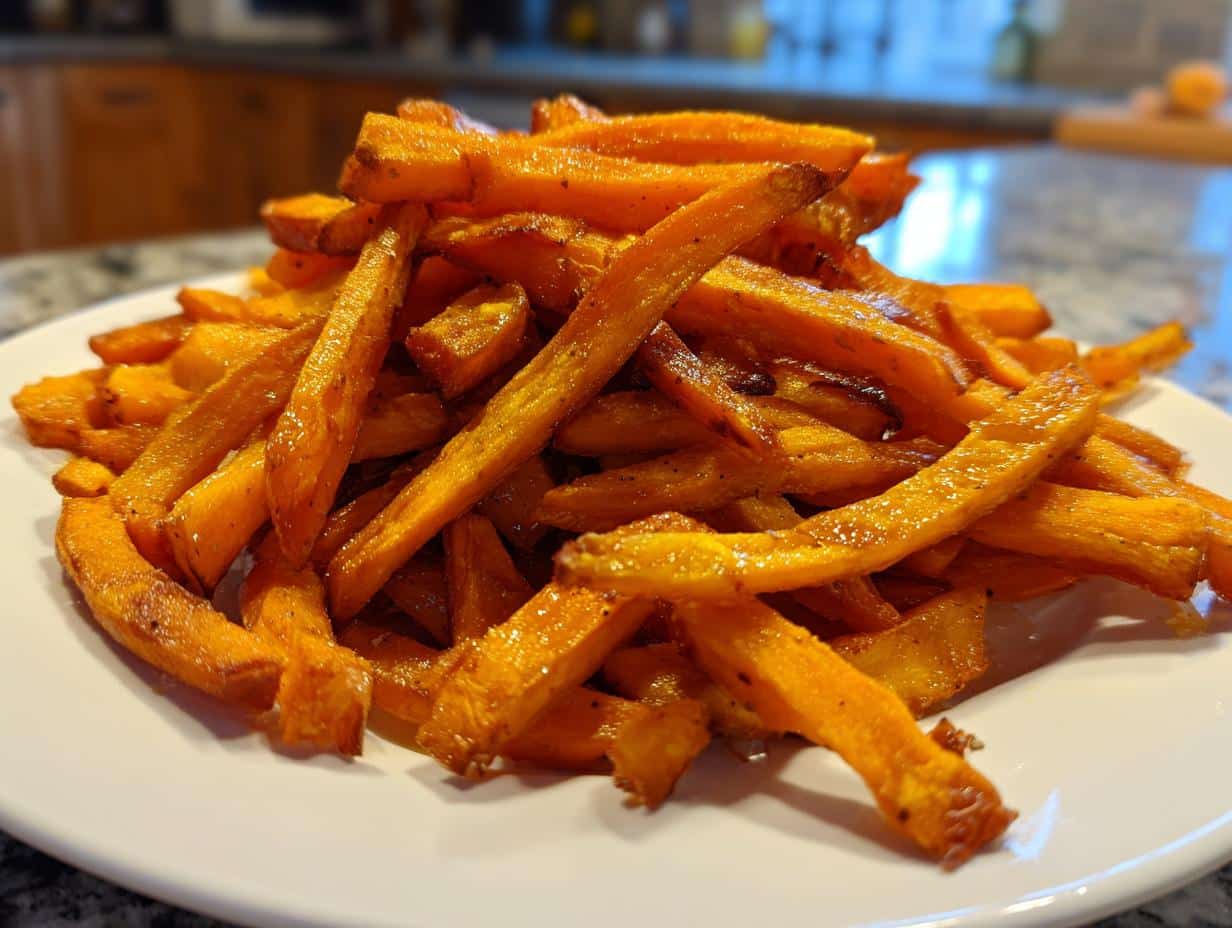
No More Soggy! Master Crispy Sweet Potato Fries with These Hacks
Ah, the sweet potato fry. It promises so much: a delightful balance of sweet and savory, a vibrant pop of color, and the satisfying crunch of a perfectly cooked fry. Yet, for many home cooks, and even seasoned chefs, this dream often dissolves into a disappointing reality. Instead of that coveted shattering crispness, we're left with limp, soggy, or oddly leathery sticks that are a pale imitation of their potential. It's a culinary paradox: how can something so simple to prepare often go so wrong?
The good news is, the days of settling for sub-par baked sweet potato fries are over. Forget the splattering oil and the arduous cleanup of deep-frying; you can achieve truly extraordinary, restaurant-quality crispness right in your own oven. This article will unlock the scientific secrets and innovative techniques that transform sweet potato wedges from humble root vegetables into a crispy, golden, and undeniably addictive side dish or snack. Prepare to impress your taste buds, and everyone else's, with these game-changing hacks.
The Sweet Potato Conundrum: Why Crispy is So Elusive
To understand how to make sweet potato fries truly crispy, we first need to understand why they often aren't. Unlike their starchy cousin, the russet potato, sweet potatoes possess a unique internal chemistry that works against crispness. They contain less starch, significantly more sugar, and a higher water content. This trifecta creates a challenging environment for achieving that coveted crunchy crust.
When baking, the excess water in sweet potatoes tends to steam them rather than fry them, leading to a soft, mushy interior and a lack of browning on the exterior. The higher sugar content can also cause them to burn quickly before a crust can fully form, resulting in unevenly cooked fries – scorched on the outside, yet still soft and unappealing inside. Traditional methods of simply tossing them in oil and baking often result in this frustrating outcome. Many have tried various approaches, from dry starch coatings to different oil applications, only to find the texture dusty, tough, or even bitter, a far cry from the sweet and savory delight we crave. But fear not, the solution lies in a few ingenious adjustments that leverage these very properties to our advantage.
Unlocking the Crispy Code: Revolutionary Techniques Revealed
Cracking the code for perfectly crispy baked sweet potato fries required a deeper understanding of food science and a willingness to experiment. The path to perfection involves several key techniques that work in harmony to create an irresistible outer crunch while preserving a tender, flavorful interior.
The Magic of the Pregelatinized Cornstarch Slurry
One of the most significant breakthroughs comes from an adapted technique using cornstarch, but not in the way you might expect. Simply tossing sweet potatoes in dry cornstarch often leads to a chalky texture, uneven browning, and a less-than-appetizing appearance. The secret lies in pregelatinizing the cornstarch.
Instead of dry powder, you'll create a thin, cohesive batter. Whisk together cornstarch and a small amount of water, then briefly cook this mixture, typically in a microwave, until it thickens into a smooth, yogurt-like paste. This process, known as gelatinization, transforms the starch. When applied to the fries, this pre-cooked slurry forms an incredibly uniform and tenacious coating. This batter clings evenly to every surface, creating a protective, crisp-forming layer that bakes beautifully without becoming dusty, overly tough, or developing those dark, bitter spots. It's the ultimate foundation for a truly crunchy exterior.
The Power of Even Heat: Beyond Just Oiling the Pan
A flawless coating is only half the battle; how your fries meet the heat is equally critical. Simply pouring oil onto a baking sheet can result in it beading up, creating an uneven surface where some fries swim in oil while others are barely coated. This leads to inconsistent crisping and patches of steaming or scorching.
The trick is to ensure a perfectly uniform film of fat across your baking surface. Before adding your chosen oil, lightly spray the baking sheet with a neutral cooking spray. This initial spray acts as a primer, allowing the subsequent oil (like olive or avocado oil) to spread into an incredibly thin, even layer across the entire pan. This uniform layer of fat facilitates consistent contact between the fries and the hot metal, essentially creating a shallow-frying effect within your oven. The result is consistently browned and exceptionally crispy baked sweet potato fries, every single time.
A Boost for Browning: The Baking Soda Secret
Sweet potatoes have a natural disadvantage when it comes to browning: they cook very quickly. By the time they develop a desirable golden color and crisp texture, their insides are often overcooked and mushy. To accelerate the browning process without sacrificing the internal texture, a pinch of baking soda comes to the rescue.
Adding a small amount of baking soda to your cornstarch slurry batter raises the pH of the sweet potato surface just enough to significantly boost the Maillard reaction. This complex chemical process is responsible for the rich, roasted flavors and deep golden-brown color in many cooked foods. By encouraging the Maillard reaction to occur more rapidly, baking soda helps your sweet potato fries achieve that beautiful color and subtle roasted flavor before their interiors turn soft and unappetizing. It's a clever way to outsmart the sweet potato's quick-cooking nature.
The Unexpected Crunch Enhancer: White Rice Flour
For an extra layer of textural intrigue and an even more satisfying crunch, incorporate white rice flour into your batter. This brilliant addition, inspired by techniques used for air-fried sweet potato fries, further enhances the crispness of the exterior.
Rice flour is known for its ability to create a delicate yet robust crispness, contributing to a truly "shattering" bite. Whisking it into the pregelatinized cornstarch slurry adds another dimension to the coating, helping to achieve a superior level of crispiness that sets these baked sweet potato fries apart from any other oven-baked version you've tried.
Beyond Crispness: The Wholesome Appeal of Sweet Potato Fries
While achieving that perfect crunch is paramount, the inherent goodness of sweet potatoes themselves shouldn't be overlooked. These vibrant tubers are not just delicious; they are a nutritional powerhouse. Packed with fiber, an excellent source of Vitamin A, and rich in potassium, sweet potato fries offer a guilt-free indulgence.
Their natural sweetness provides a versatile canvas for a myriad of seasonings. Whether you prefer a savory blend of smoked paprika, garlic powder, and a touch of chili, or a sweeter take with a sprinkle of cinnamon and a pinch of brown sugar, sweet potatoes absorb flavors beautifully. This makes them incredibly adaptable to any meal or craving. Easy enough to whip up on a busy weeknight, yet impressive enough to serve as a show-stopping side dish at a dinner party, crispy baked sweet potato fries truly represent the best of both worlds: wholesome eating meets irresistible comfort food.
Your Journey to Perfect Baked Sweet Potato Fries: Practical Tips
Now that you're armed with the secret techniques, here are some practical tips to ensure your sweet potato fry journey is a resounding success:
Prep Perfect Fries
- Consistent Cut: Aim for uniform matchsticks, about ¼ to ½ inch thick. This ensures even cooking. If some are thicker than others, they'll cook at different rates, leading to some being soggy and others burnt.
- Wash and Dry Thoroughly: After cutting, rinse your sweet potato fries under cold water to remove excess surface starch. This helps the slurry adhere better. Crucially, dry them *very* thoroughly with paper towels or a clean kitchen towel. Any residual moisture will lead to steaming, not crisping.
Don't Overcrowd the Pan!
This is perhaps one of the most common mistakes in oven frying. Overcrowding your baking sheet prevents the fries from crisping. Instead, they steam each other. Arrange your fries in a single layer with ample space between each piece. If necessary, use two baking sheets and rotate them halfway through cooking for even results. This allows the hot air to circulate freely around each fry, promoting maximum crispness.
The Right Temperature
High heat is your friend when it comes to crisping. Most recipes recommend a temperature between 400-425°F (200-220°C). Preheat your oven thoroughly, and even let your baking sheet preheat in the oven before adding the fries. This immediate contact with intense heat helps initiate the crisping process quickly.
Seasoning for Success
The timing of seasoning can impact crispness. While a touch of salt can be added to the slurry, many experts recommend adding the bulk of your seasoning immediately after the fries come out of the oven. This allows the salt and spices to adhere to the hot, crisp surface without drawing out moisture during baking, which could compromise crispness. Experiment with classic salt and pepper, or elevate your fries with flavors like smoked paprika, garlic powder, onion powder, a dash of cayenne, or even a sprinkle of fresh rosemary. For more advanced tips and tricks, check out The Secret to Seriously Crispy Oven-Baked Sweet Potato Fries and learn how to Skip the Deep Fryer: Crispy Oven Sweet Potato Fries Made Easy.
Armed with these comprehensive hacks, you're ready to transform your sweet potato fry game forever. Say goodbye to the disappointment of soggy fries and hello to a world of truly exceptional, perfectly crispy baked sweet potato fries. Enjoy the satisfying crunch, the sweet and savory notes, and the knowledge that you've mastered a culinary challenge, all without the fuss of a deep-fryer. Happy frying!
